
Where Ilino is
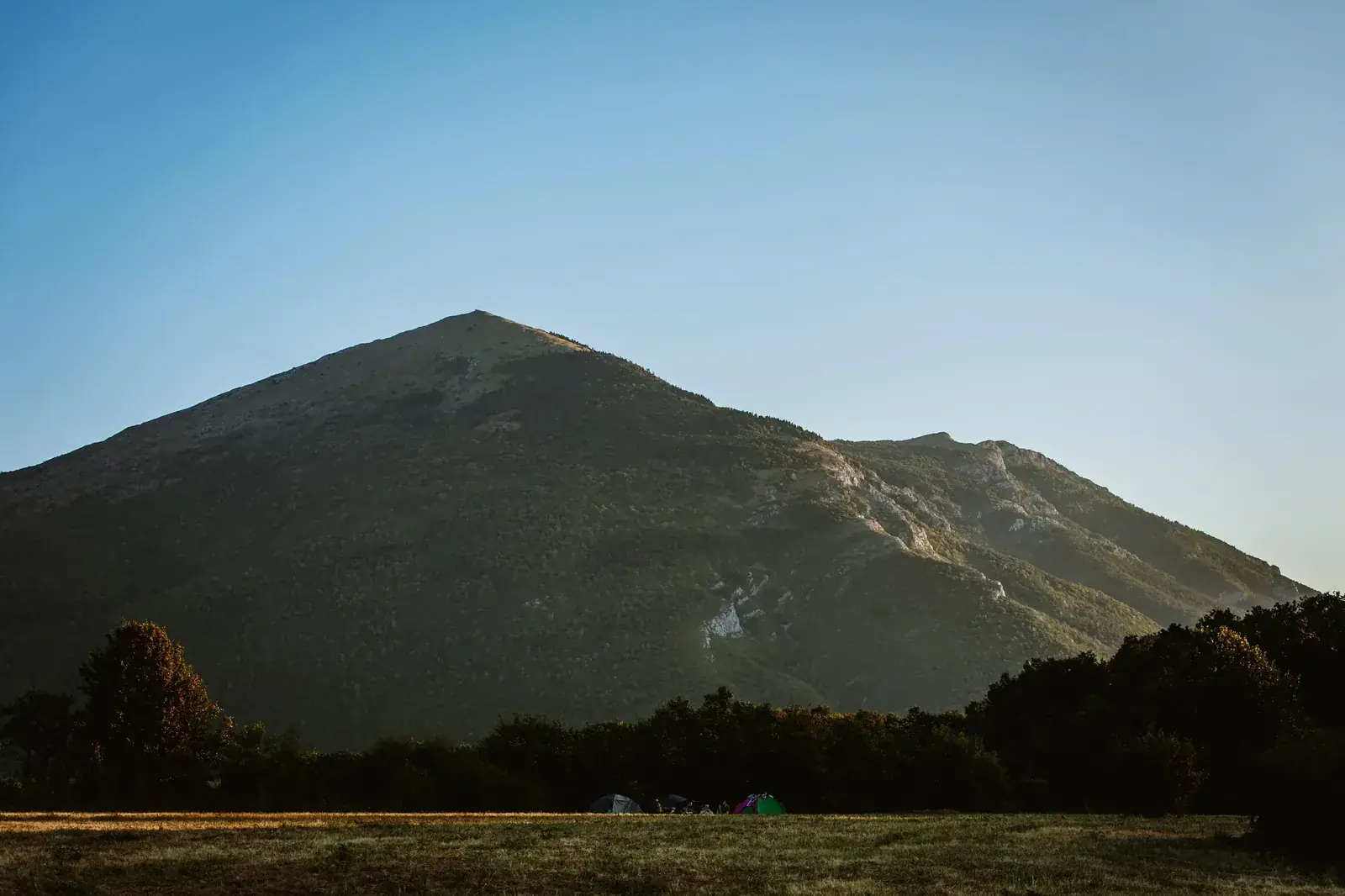
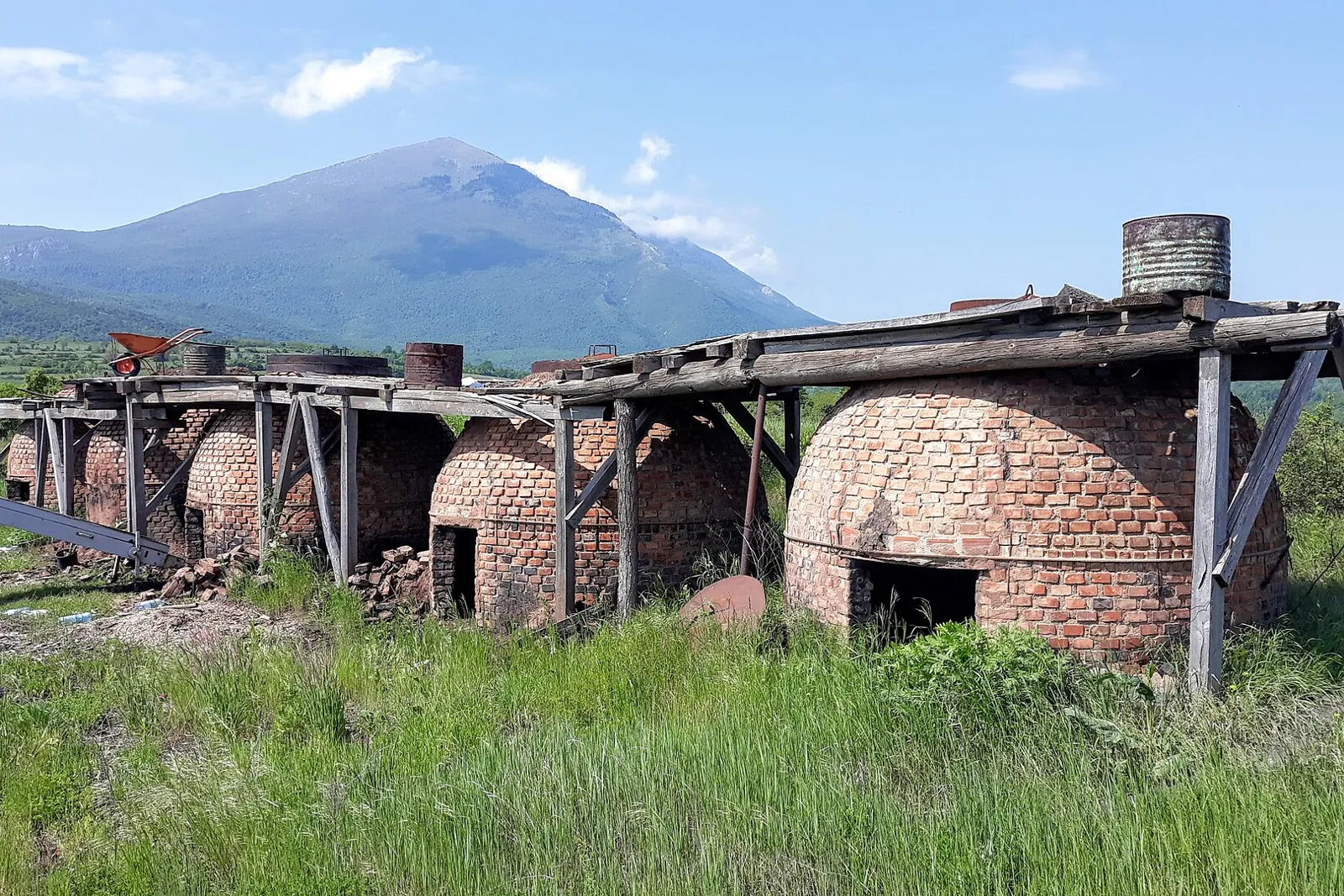
Ilino lies at the foot of Rtanj, in the municipality of Boljevac and the Zaječar District, at about 374 metres above sea level. From the village the Šiljak peak looks like an almost perfect pyramid, surrounded by meadows, orchards and oak forest. The nearest towns are Boljevac and Sokobanja, and Belgrade is about three hours’ drive away.
The village through time
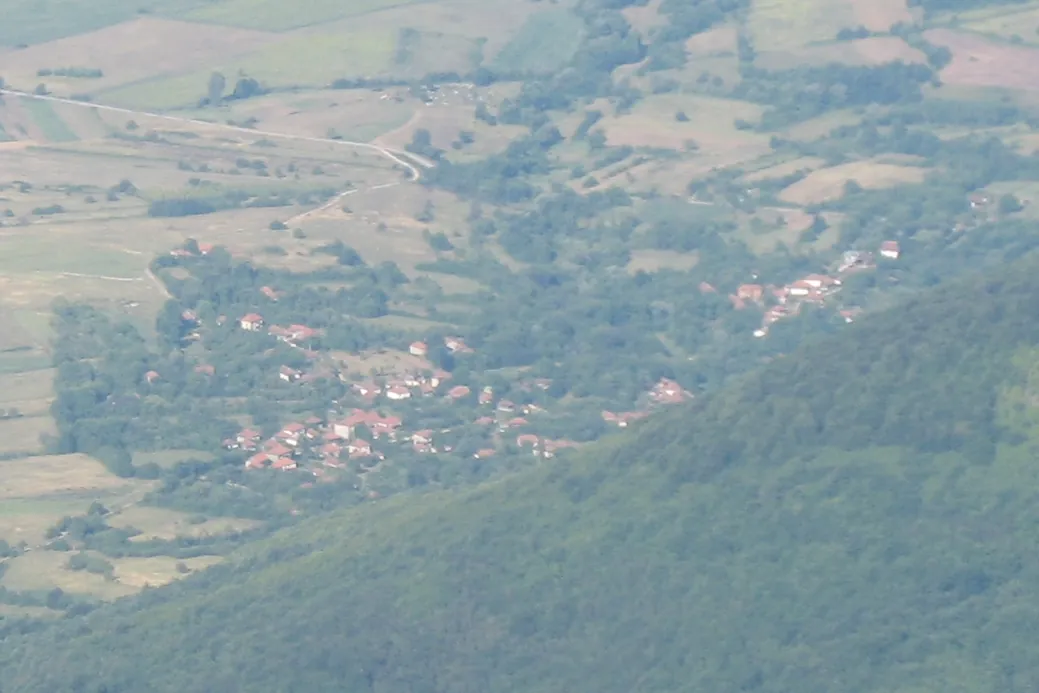
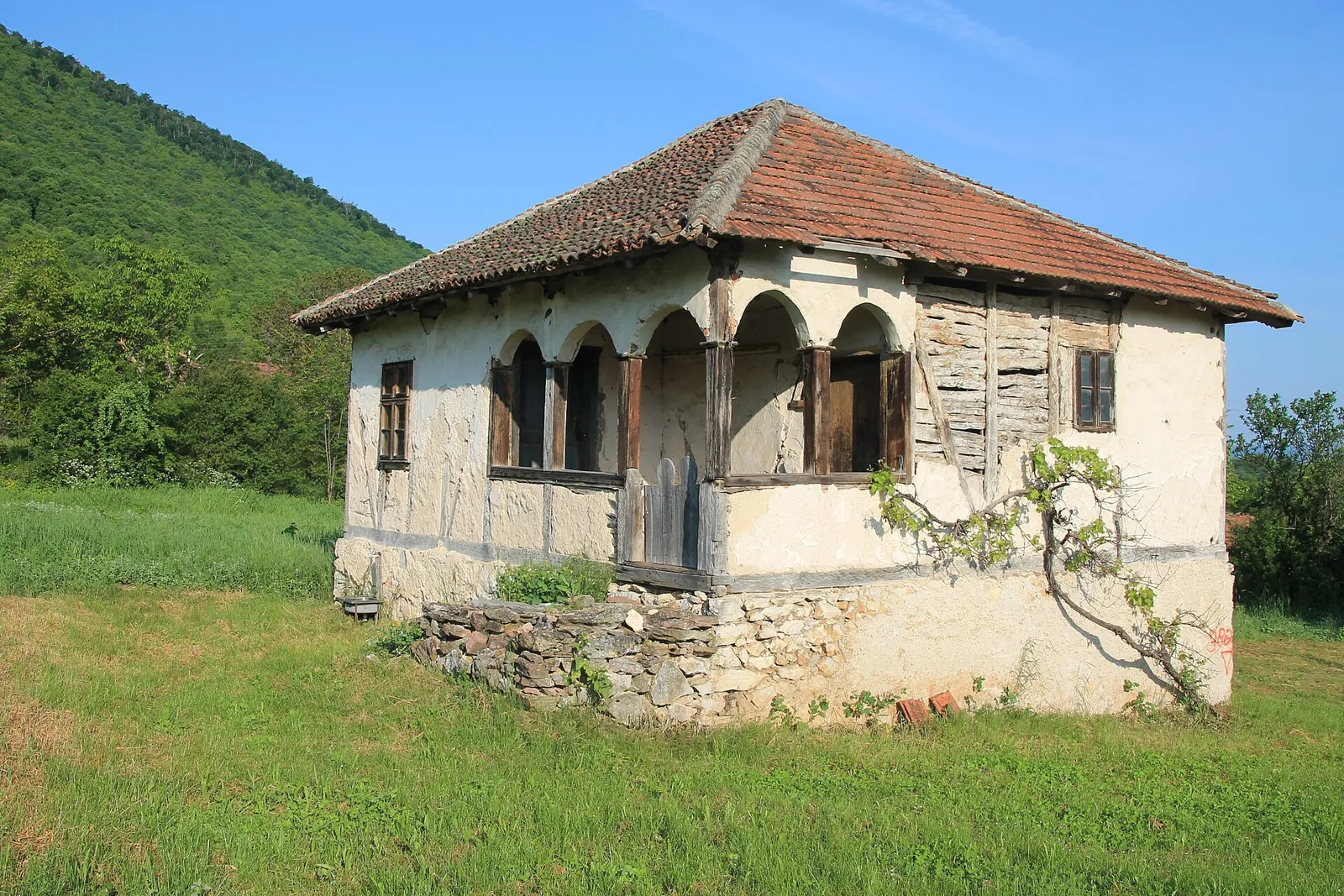
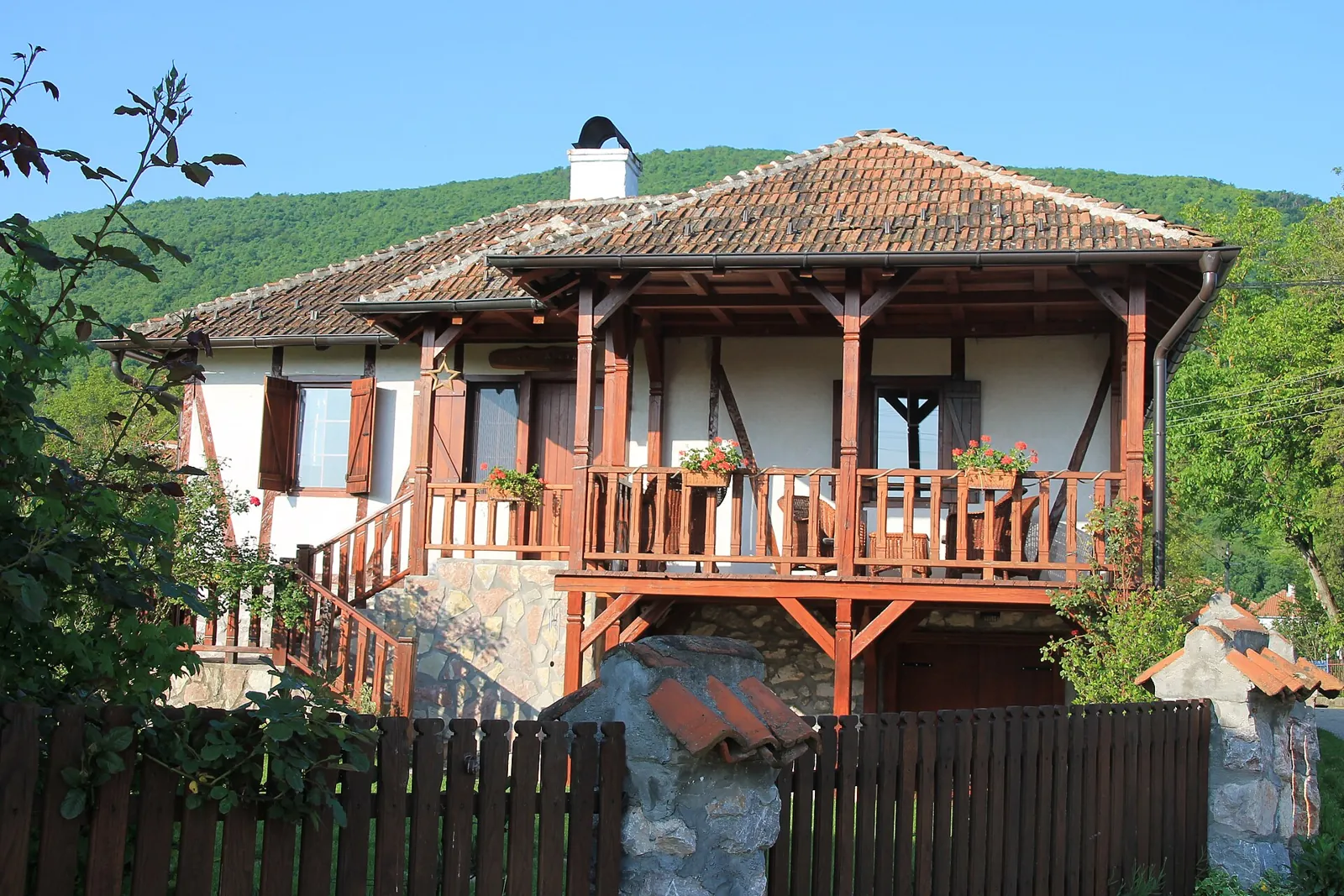
Ilino was once the seat of the Ilino municipality, and the house that is now the memorial house of Ljubinka Savić Grasi was sold to that municipality in 1926 and served as its seat. After the Second World War it housed the village shop and tavern for a while.
Like many villages in eastern Serbia, Ilino emptied over the 20th century. The 1961 census recorded 921 residents; in 2022 there were 95, almost all Serbs, with an average age over 55. In recent years the village has been coming back to life through rural tourism: homesteads are being restored in ethno style, guesthouses are opening, and visitors come for the clean mountain air, the quiet and the home cooking.
Population by census. Source: Statistical Office of the Republic of Serbia.
Ljubinka Savić Grasi, the sculptor from Ilino
Ilino’s best-known daughter was born in the village in 1922. She completed the Academy of Fine Arts and postgraduate studies in Belgrade under Professor Alojz Dolinar and became one of Serbia’s most prolific sculptors: she worked in plaster, terracotta and bronze, made sculptures, busts and plaques, and exhibited at home and abroad. Her works are held in major museums, cultural institutions and private collections.
She married Giuseppe Pino Grassi, a renowned stone carver and collaborator of Ivan Meštrović. Among her best-known works is the plaque bearing the likeness of the satirist Vladimir Bulatović Vib, awarded with the Vib Prize for satire. The idea grew out of her son’s friendship with Vib: the journalist Zefirino Grassi, later director of the newspaper Politika. Although she lived and worked in Belgrade, she stayed attached to her native village all her life. She died in 1999.
The memorial house of Ljubinka Savić Grasi
The late-19th-century house belonged to the Savić family until 1926. Today it is fully restored as the sculptor’s memorial house, furnished in traditional style with handmade objects from the people of Ilino. Her room holds an exhibition on the artist’s life and work, and some of her pieces are on display. Next to it is the village education centre, meant for workshops in old crafts, handicrafts and talks on rural tourism.
The people building Ilino today
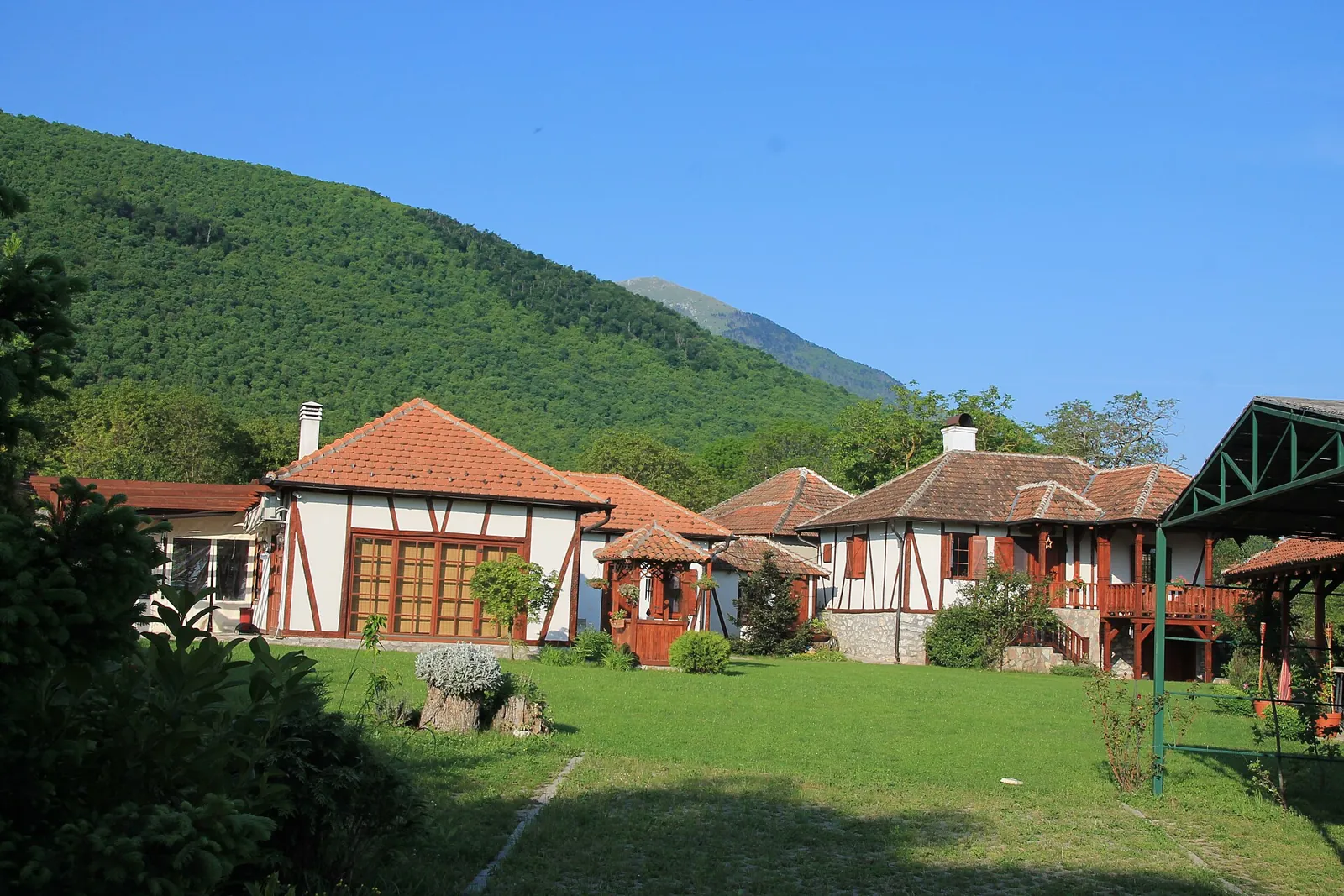
The conservator and restorer Dušan Milisavljević, who over his career made furniture and restorations for 34 churches, came to Ilino by chance in 2010 and stayed. He built the “Rtanjski dvori” ethno complex and saved the old 1900 restaurant “Zaboravi ako možeš” instead of tearing it down. Alongside them the village has the “Vilino” ethno complex, a restored 18th-century homestead, and the “Onomad” rural homestead. And on the meadow and in the grove at the edge of the village, from May to October, Pyramid Village lives.
Ilino in pictures
From Ilino up Rtanj
From the village you can see the whole way to the top, and guided hikes to Šiljak start from the camp. In the evening, once the sun sets, Ilino sinks into a darkness with no lights, so the Milky Way is visible to the naked eye.